
 Català
 English
 Deutsch
 Español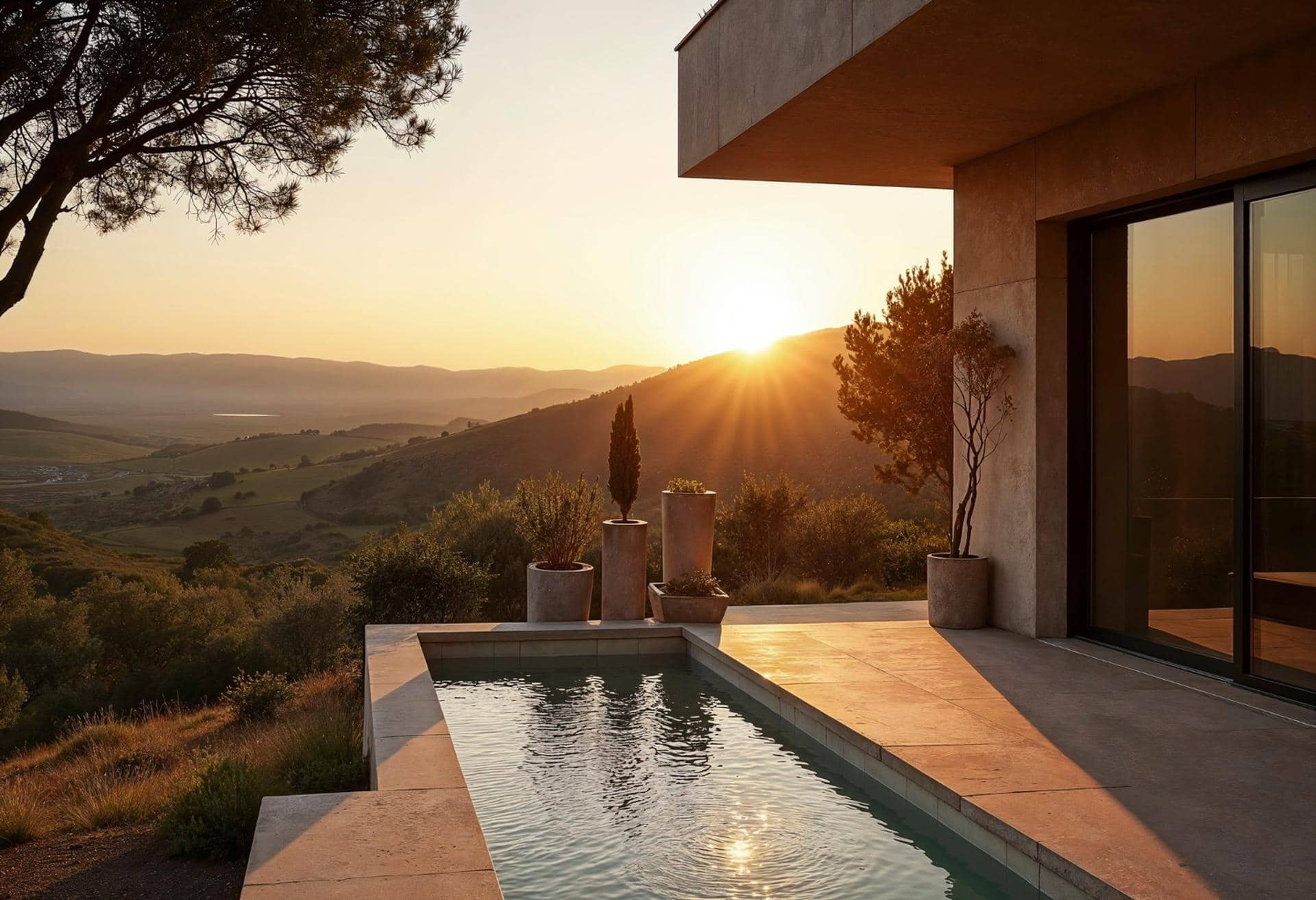
The Mediterranean-style house is one of the most representative types of architecture in Mallorca. Its design is not only aesthetic, but also an intelligent adaptation to the climate, landscape and way of life on the island. Natural light, fine materials and a connection with the outdoors are the basis of an architectural style that has endured for centuries and remains one of the most sought-after today.
At REMAX Drac, we see how this type of property continues to be a benchmark in both traditional estates and newly built villas.
What characterises a Mediterranean-style house?
The Mediterranean style combines tradition and functionality. Its main features are:
-
Light colours on façades (white, sand, earth tones)
-
Use of Mallorcan natural stone
-
Sloping roofs with Arabic tiles
-
Exposed wooden beams
-
Large windows and strategic orientation
-
Interior courtyards and terraces
But beyond these visual elements, what really defines the Mediterranean house is its balance between interior and exterior.
Key architectural features
1. Integration with the environment
Mediterranean architecture respects the landscape. Homes tend to adapt to the terrain, using stone walls and native vegetation to blend in with the natural environment. They do not seek to impose themselves, but rather to harmonise.
2. Climate-conscious design
Mediterranean houses are designed to protect from the heat in summer and maintain the temperature in winter:
-
Thick walls that act as natural insulation
-
Cross ventilation to cool spaces
-
Porches and pergolas that provide shade
This traditional bioclimatic design is now complemented by modern energy-efficient systems.
3. The prominence of natural light
Orientation is key. The main rooms usually face south or south-west to make the most of the daylight. Large windows connect the interior with gardens and swimming pools.
4. Natural and handcrafted materials
Stone, solid wood, wrought iron and ceramics are essential components of the construction. These materials not only contribute to the aesthetics, but also to durability and thermal comfort.
5. Outdoor spaces as part of the home
In a Mediterranean home, the exterior is not an accessory: it is an extension of the home. Terraces, patios, chill-out areas and swimming pools are part of the architectural design from the outset.
The modern evolution of Mediterranean style
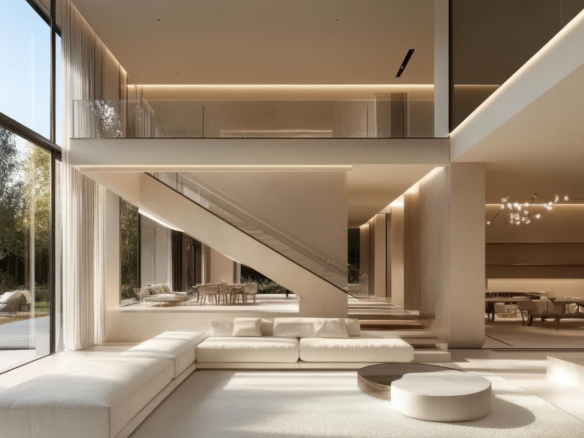
Today, many newly built houses reinterpret this style by incorporating:
-
More minimalist lines
-
Large glass surfaces
-
Home automation systems
-
Renewable energy
The traditional essence is maintained, but with current standards of comfort and sustainability.
Conclusion
The Mediterranean-style house is not just an aesthetic trend: it is a way of understanding architecture in Mallorca. Functional, bright, integrated into the landscape and designed to enjoy the outdoors, it remains one of the most highly valued types of property for both residents and international buyers.
At REMAX Drac, we help you find properties that reflect this essence and suit your way of life on the island.

Join The Discussion